Each month, Digital Schoolhouse welcomes you to The Playful Classroom,
where we'll explore the challenges and opportunities shaping computing education today.
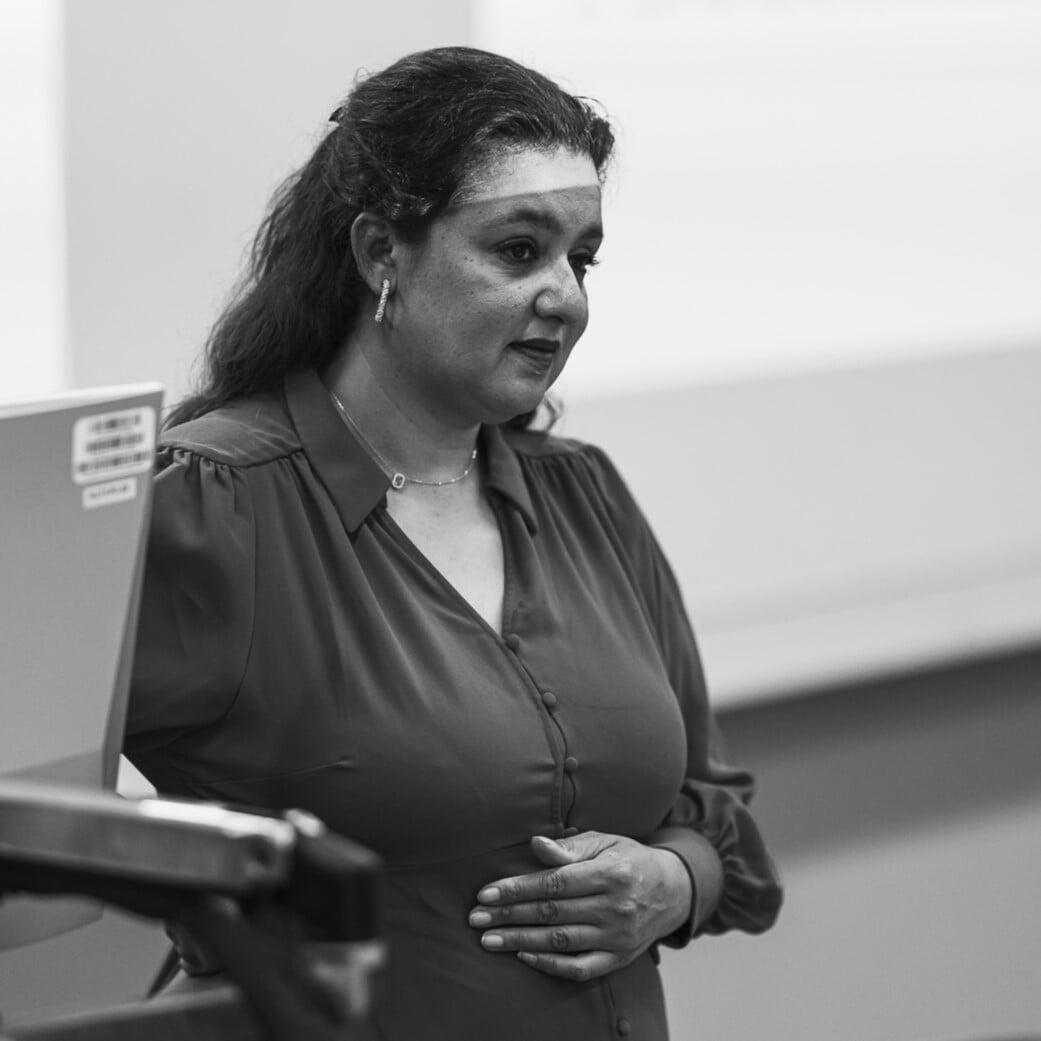
Shahneila Saeed is Head of Education at Ukie and the Director of Digital Schoolhouse. She served as Head of Computing at an Inner London school for over 15 years before joining Ukie, where she spearheaded the creation of the Digital Schoolhouse Programme.
She is a prolific author, having penned books like "Hacking the Curriculum: Creative Computing & the Power of Play", "How to Raise a Tech Genius" and the forthcoming “Max Computing” series. She actively contributes to the field as a board member, trustee, and advisor for organisations including NCCE, Digit<all>, and Into Games.
The Permission to Dream: Why Mission 2030 is vital for UK Computing
There is a specific silence that every educator dreads. It isn’t the silence of a focused classroom; it is the heavy, stagnant silence of a student who has already decided a door is closed to them.
Years ago, while teaching in an Inner London Secondary school, I encountered this silence in its most profound form. Our school, like many, was streamed by ability. Inevitably, the Extension Band mirrored the most affluent demographics of the area. Conversely, the Support Group held our highest concentration of SEND students and those from lower socioeconomic backgrounds.
When I stood before a Year 9 Upper Band mixed ability group to promote our Sail France residential trip, an opportunity backed by Pupil Premium funding to ensure cost was no barrier, I expected a forest of raised hands. Instead, I was met with blank stares. When I pressed for a reason, a student finally spoke with a devastating matter-of-factness:
“Miss, you’re speaking to the wrong class. This trip isn’t meant for students like us. That’s for the Extension Band.”
Despite the available funding and our best intentions, a social divide had calcified. These students didn't just lack the money; they lacked the sense of belonging. This encounter, and what it represents, remains the driving force behind Digital Schoolhouse. It serves as a stark reminder that if an opportunity is not embedded into the fabric of a child’s daily life, they will write themselves out of the narrative before they even begin.
The Digital Divide: Beyond Hardware
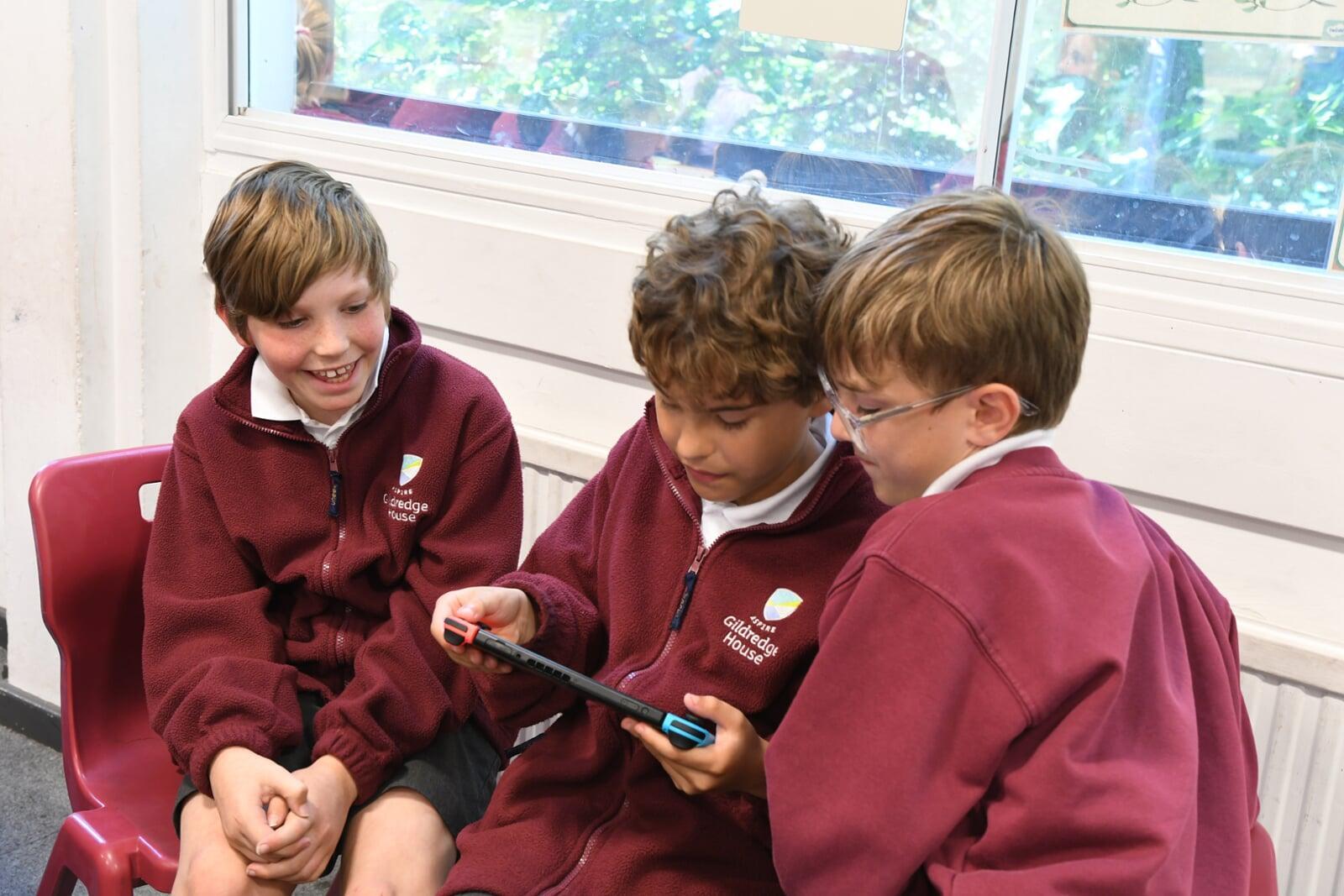
In 2026, the digital divide is often reduced to hardware and connectivity. We rightfully reference the difficulty of four siblings sharing a single mobile phone to access their education - a reality many faced during the pandemic. However, the divide is equally psychological.
The UK currently faces a critical skills gap. According to data from BCS, 9 in 10 girls leave school without a recognised Computing qualification. According to a study from The Royal Society, girls and students from minority ethnic groups were more likely to describe themselves as creative, but few felt that computing was a creative subject. We are in danger of pupils seeing computers as a functional necessity for "other" people.
If a child does not see themselves as the target audience for technology today, how can we expect them to be the innovators of tomorrow? We cannot ask a child to aspire to a career in the creative digital industries if they have never been given the "permission to dream" that comes with early, playful ownership of technology.
The Digital Schoolhouse Philosophy: Systematic Inclusion
To solve this, we moved the goalposts. We recognised that "opt-in" models like clubs, after-school programs, and optional trips, frequently fail the very students they are meant to help. Those with the least confidence or the most barriers to entry simply do not "opt-in."
Digital Schoolhouse was founded on the principle of universal access. By delivering our workshops during the school day, for the entire class, we remove the burden of self-selection.
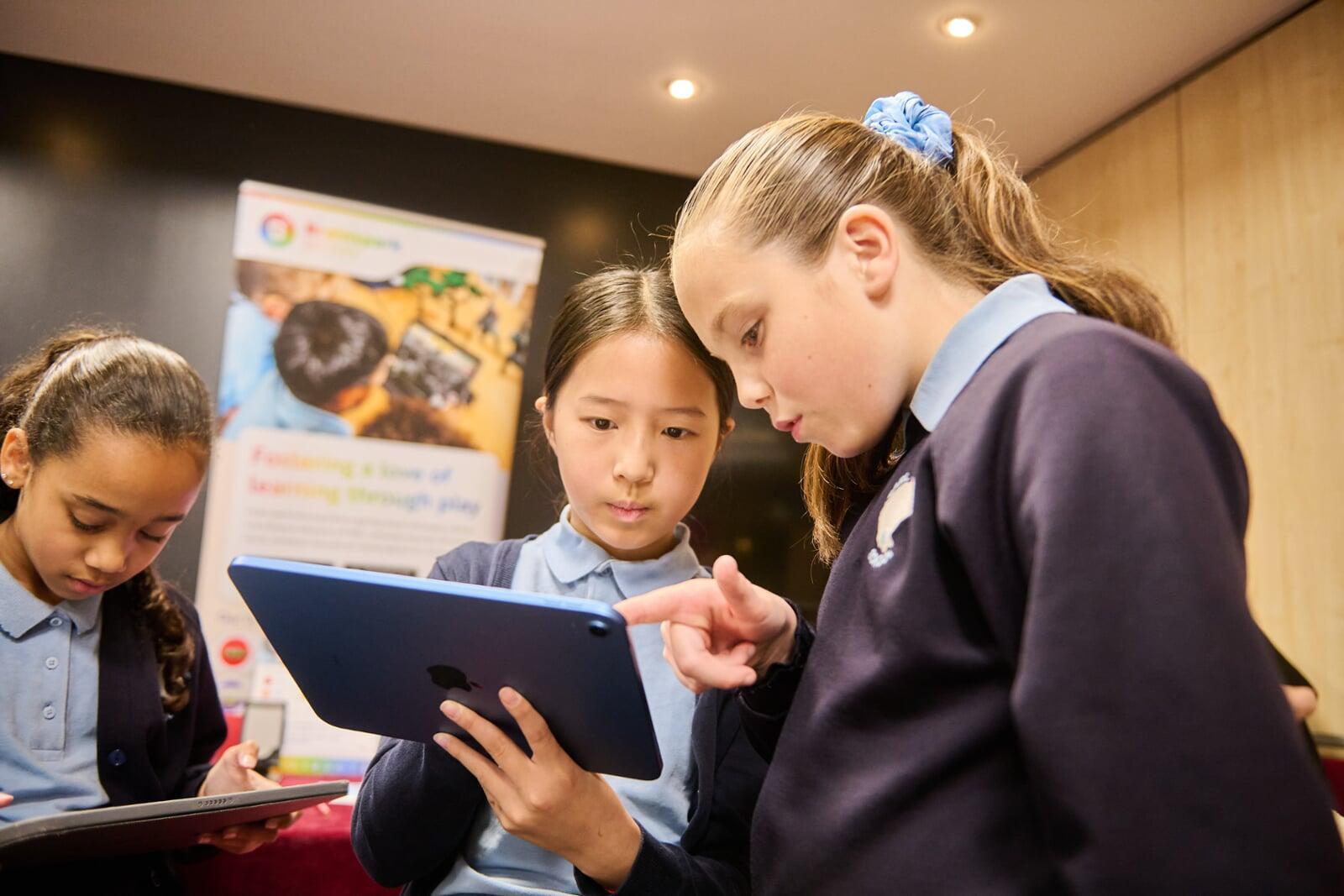
- Integration: Workshops are delivered within the standard timetable, ensuring no student is "left behind" in a library or support room.
- Regional Equity: Our Festival of Play and Esports tournaments are free to schools and delivered across the UK, ensuring that geography does not dictate destiny.
- Industry-Backed Pedagogy: Through partnerships with Nintendo, Electronic Arts, The University of Westminster and Class VR, we bridge the gap between the classroom and the careers of the future.
Mission 2030: The Road to 100%
Over the past 11 years, we have grown from a pilot of eight London schools to having a Schoolhouse within 50km of 77% of UK pupils. We already have reached 320,000 pupils through direct interaction.
But 77% is not enough.
As we look toward the next decade, we have launched our Mission 2030. The goal is simple: To have 100% of schools within 50km of a Digital Schoolhouse. We are focusing our efforts on the regions we need to get to - the areas where the digital divide is widest and where the silence of the "wrong class" is loudest.
To achieve this, we are evolving. For the first time, Digital Schoolhouse is now accepting donations to directly fund the expansion of our network.
To everyone reading this: this is an invitation to move beyond conversation and into direct, scalable action. Your donations will provide the hardware, the expert training, and the curriculum-integrated workshops that ensure no child is sidelined by their postcode or socioeconomic background.
Every child deserves a digital future, not just those in the "Extension Band," and not just those who already own the technology.
Together, we can ensure that no child ever has to look at a teacher and say,
“Miss. That isn’t meant for the likes of us.”