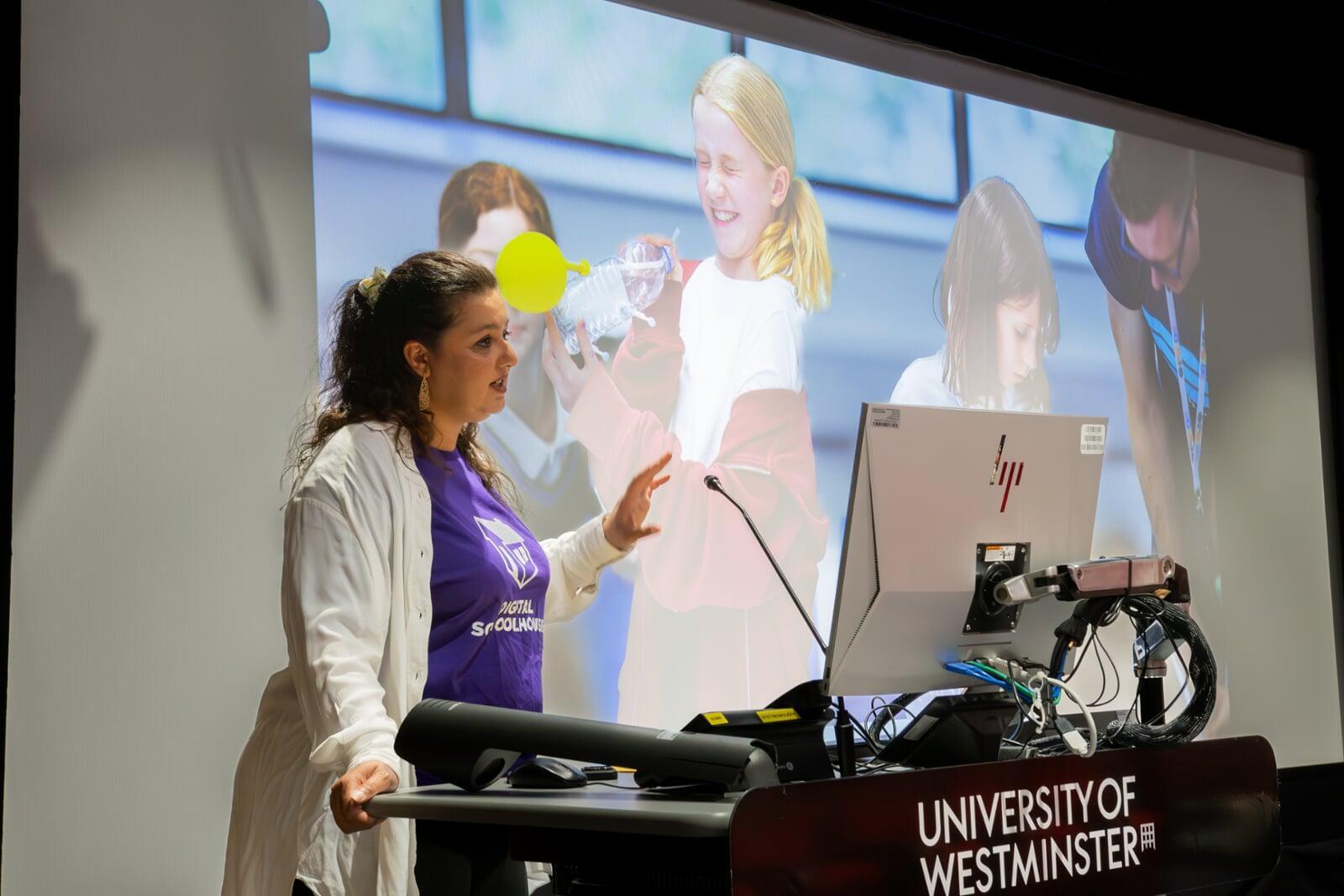
Each month, Digital Schoolhouse welcomes you to The Playful Classroom,
where we'll explore the challenges and opportunities shaping computing education today.
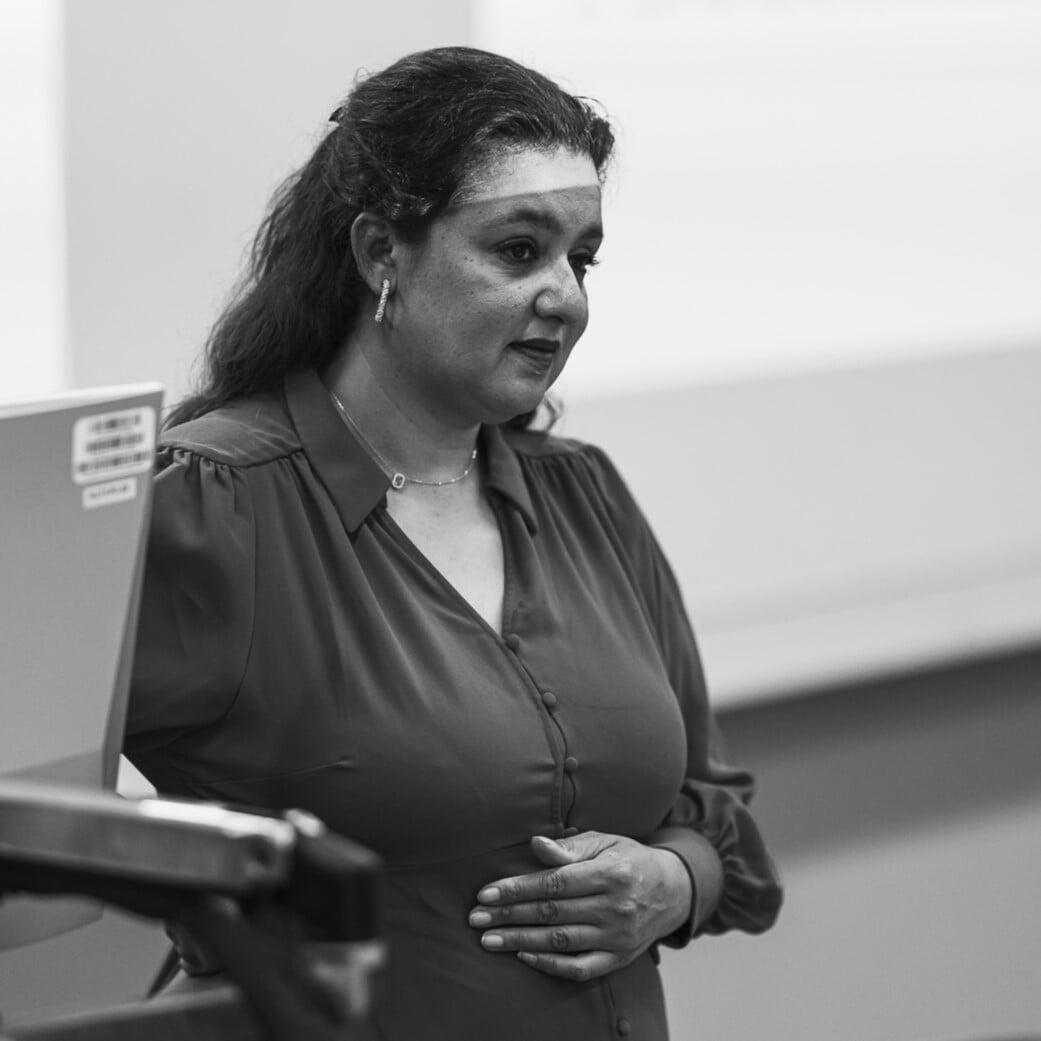
Shahneila Saeed is Head of Education at Ukie and the Director of Digital Schoolhouse. She served as Head of Computing at an Inner London school for over 15 years before joining Ukie, where she spearheaded the creation of the Digital Schoolhouse Programme.
She is a prolific author, having penned books like "Hacking the Curriculum: Creative Computing & the Power of Play", "How to Raise a Tech Genius" and the forthcoming “Max Computing” series. She actively contributes to the field as a board member, trustee, and advisor for organisations including NCCE, Digit<all>, and Into Games.
Why the Future of Computing is Child’s Play
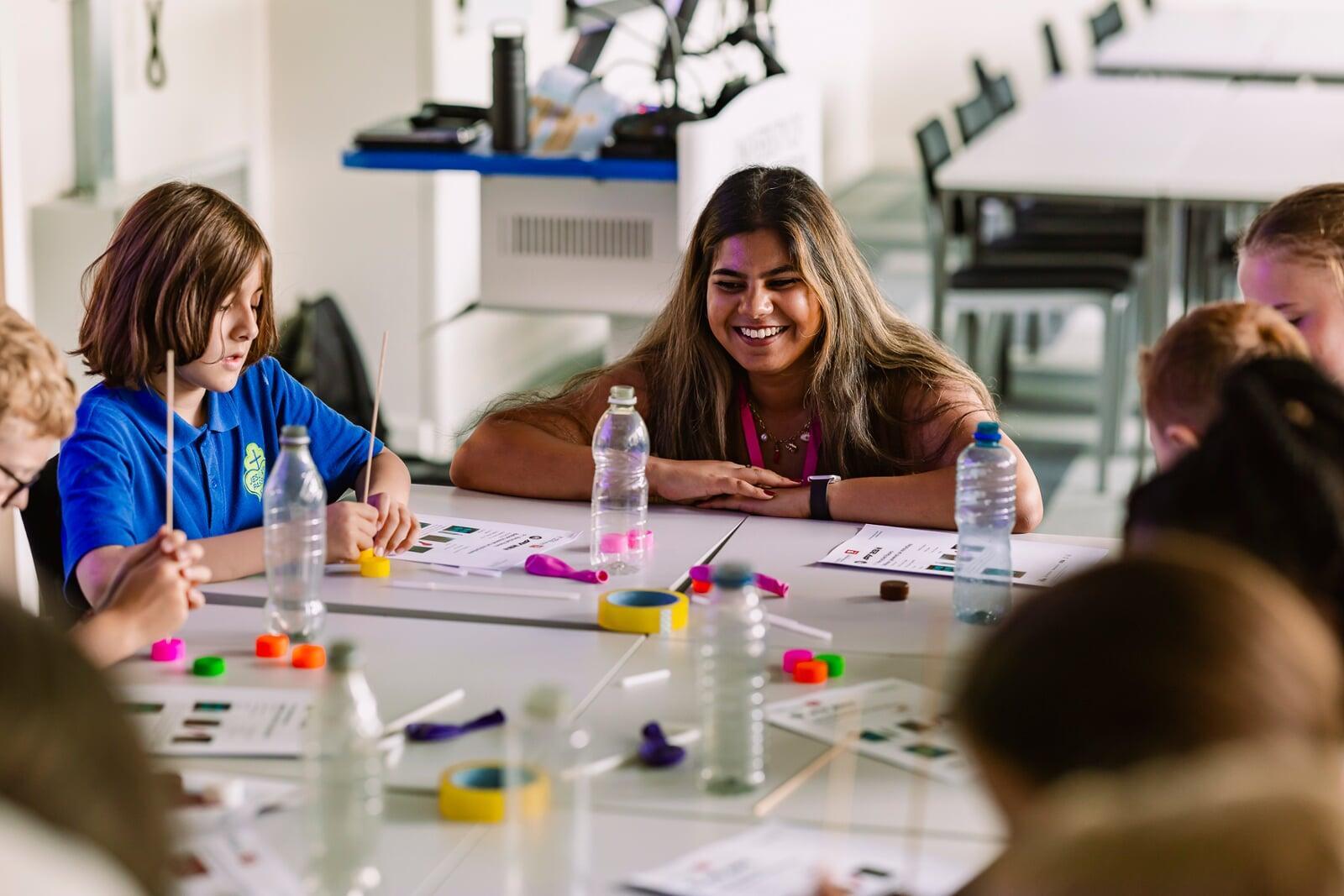
Play and creativity are two sides of the same coin. Beyond the fun and games, play fosters imagination while supporting the development of essential 21st-century skills. When we allow students to learn through play, we don't just keep them engaged; we encourage a deeper level of understanding and better information retention.
In our rapidly evolving world where AI and digital solutions permeate every facet of our lives - it has never been more vital for children to do more than just "understand" technology. They need to be able to harness the technological power at their fingertips. To thrive, a robust level of digital literacy is now just as critical as the ability to problem-solve or think critically.
The Power of Play-Based Learning

At Digital Schoolhouse, our mission is to prepare students for a digital future through the power of play. We are well known for using "unplugged," playful techniques to teach complex computer science concepts. In a Digital Schoolhouse classroom, it’s perfectly normal to see students learning programming through magic tricks, dance, playground games, or storytelling.
But here is the secret: play isn't limited by age, nor is it restricted to "unplugged" moments. Whether we are using the LEGO Serious Play methodology to unlock corporate innovation or teaching an A Level Computer Science lesson, a play-based pedagogy is incredibly effective.
Play-based learning isn't just a single activity; it’s a mindset that shapes how we approach and deliver the entire learning experience.
Developing the "Creator Mindset"
Margaret Boden (2004) famously discussed Psychological Creativity (p-creativity) - the idea that even if a discovery isn't "new" to history, it is profoundly valuable because it is new to the learner.
When we encourage children to make their own discoveries, we build the resilience and excitement that drives educational attainment. This autonomy leads to deeper learning and the development of several key attributes:
- Inquisitive Exploration: The curiosity to tinker and ask "why?"
- Solution-focused Thinking: Using creative problem-solving to find answers.
- Divergent Thinking: Exploring unexpected connections through free-flowing thought.
- Risk-taking: Recognising that failure is often a better teacher than success.
- Adaptability: Staying open to change.
To foster this, teachers should provide a safe environment where minds can wander and students feel empowered to bounce ideas off one another.
Bringing Play to Digital Activities
You don't need to overhaul your entire curriculum overnight. We advocate for the "One idea + one class + one lesson" approach. Try one playful technique, reflect on it, and evolve.
Here are a few ways to bake play into your digital lessons:
1. Balancing Instructions
Instructions that are too loose (e.g., "Make something") cause anxiety. Instructions that are too rigid (e.g., "Make a bee") result in a room full of identical robots. The "sweet spot" is in the middle: "Make an insect or animal." This applies to Generative AI as well. Encouraging students to experiment with the detail of their prompts—using AI to brainstorm and move past "blank page syndrome"—is a fantastic way to enhance their natural creativity.
2. Ditching the Teacher Demo
Try setting a challenge rather than a task and removing the demonstration entirely. This forces students to find answers through tinkering or the "three before me" rule (checking three other sources before asking the teacher).
When students find different ways to solve the same problem, hold a "mid-lesson skills showcase." Let the students be the experts and demonstrate their unique paths to the solution.
3. The Jigsaw Strategy
Break the class into groups and give each a different challenge. Then, reshuffle the groups so each new team has one "expert" from each original challenge. This forces students to teach one another, building confidence and collective support.
4. Mixing Methodologies: PRIMM & Semantic Waves
By combining Semantic Wave theory (the transition from concrete to abstract concepts) with the PRIMM (Predict, Run, Investigate, Modify, Make) methodology, we create a structured yet playful roadmap:
- Predict & Investigate: Encourages inquisitive exploration.
- Modify: Provides "guardrails" for students to adapt content and put their own stamp on it.
- Make: Allows students to create independently, drawing on peers and resources.
The Bottom Line
Play-based learning is not a "soft" option - it is a sophisticated pedagogical tool. By moving from passive consumption to active, playful creation, we ensure our students aren't just using technology, but mastering it.